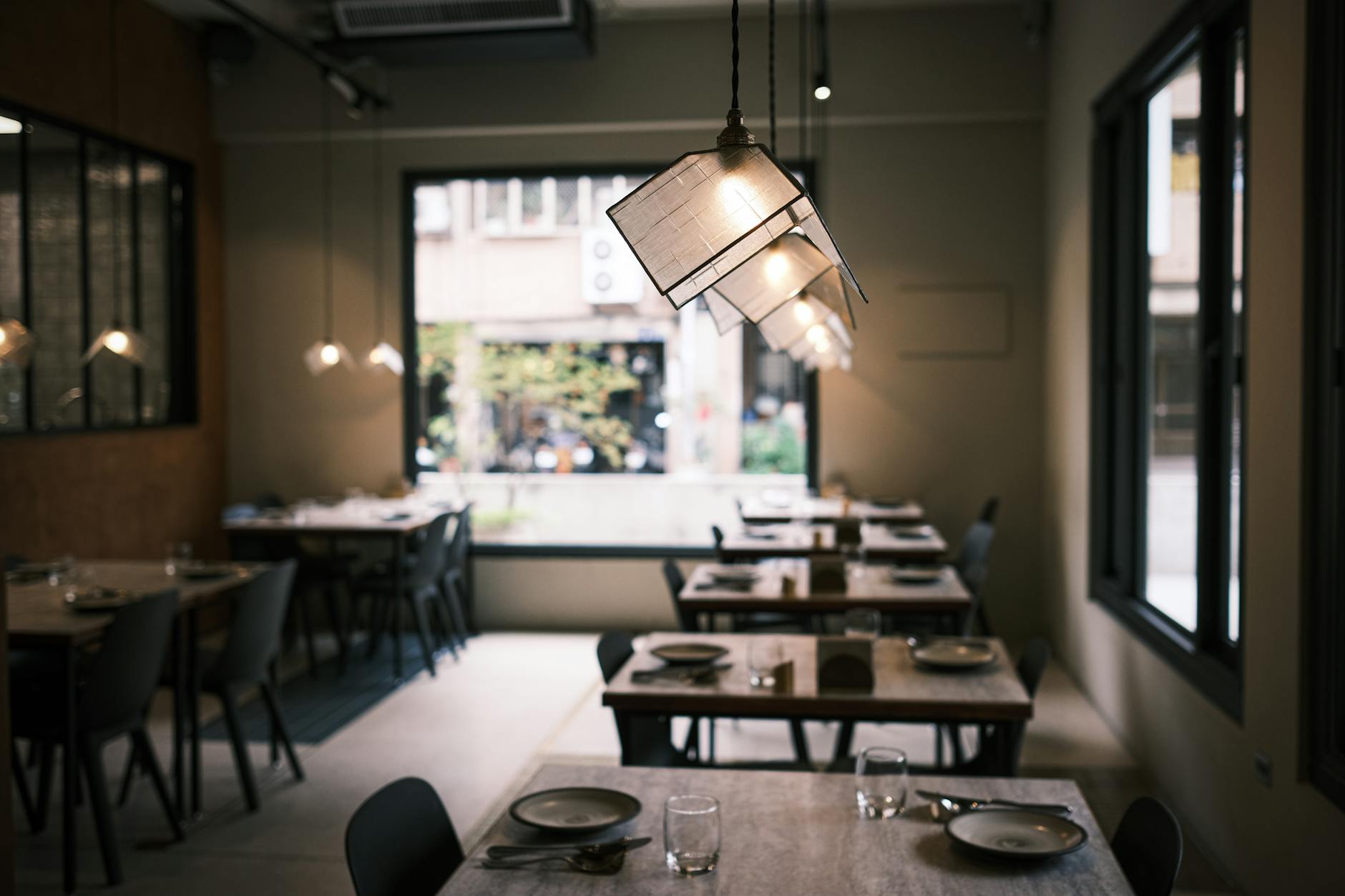
A curated look at Asia's most exciting new restaurant openings from the past 90 days — including a wood-fire izakaya in Bangkok, a natural wine bar in Tokyo, and an omakase counter in Singapore. Book fast; waitlists are already forming.
New Restaurants in Asia Worth Visiting Right Now
New restaurants in Asia are opening at a pace that keeps even the most dedicated food travellers scrambling to keep up. From Tokyo's backstreets to Bangkok's rooftops, the past 90 days have delivered a wave of genuinely exciting debuts — not rebrands, not soft relaunches, but kitchens firing up for the very first time. What follows is a curated look at venues that have either just opened or are days away from welcoming their first guests, each one worth rearranging your calendar for.
The regional dining scene in 2025 is being shaped by a new generation of chefs who trained abroad and returned home with serious technique and sharper instincts. They are opening smaller, more personal spaces — counter-seat omakase rooms, eight-table wine bars, standing ramen joints with 48-hour broths — rather than chasing the grand-brasserie format that dominated the previous decade. The result is a crop of restaurants that feel urgent and considered in equal measure.
What Makes These Openings Stand Out?
The most compelling new arrivals share a few traits: a single-minded focus on one cuisine or technique, an ingredient sourcing story that holds up to scrutiny, and a price point that reflects genuine value rather than hype. In Singapore, a new omakase counter on Amoy Street is charging SGD 220 for a 12-course menu built entirely around Hokkaido produce flown in three times a week — a model that would have felt risky two years ago but now reads as exactly right for a city that has grown comfortable paying for provenance.
In Bangkok, a wood-fire izakaya that opened in Ekkamai in late April is already drawing queues on weekday nights. The kitchen is led by a chef who spent four years at a two-Michelin-starred restaurant in Osaka before returning to Thailand to cook the kind of food he actually wants to eat: binchotan-grilled chicken hearts, dashi-braised daikon, and a cold sake list that rotates weekly. Covers are capped at 28, and reservations opened via Instagram DM only — a detail that tells you everything about who this place is for.
- Signature dish: Binchotan-grilled A5 wagyu with fermented chilli tare (THB 890)
- Must-try drink: Rotating junmai daiginjo cold sake (THB 320 per glass)
- Price range: THB 1,200–2,400 per person
Hibana Ekkamai
📍 55/3 Ekkamai Soi 10, Watthana, Bangkok 10110, Thailand
🗓 Opened: April 2025
🌐 Website | 🗺 Google Maps
Why the Timing Matters for Regional Diners
Post-pandemic travel patterns have fundamentally shifted how people in Asia eat when they travel. The old model — fly somewhere, eat at the famous legacy restaurant, tick the box — has given way to something more active. Diners are now researching what opened in the last three months, not what has been celebrated for three decades. This shift has created real pressure on chefs to open well rather than open big, and the venues making the strongest impressions right now are the ones that understood that distinction before they poured the concrete.
In Tokyo, a natural wine bar that opened in Shimokitazawa in mid-May is a useful case study. The space seats 18, the list runs to 200 labels sourced exclusively from female winemakers across Europe and Japan, and the kitchen turns out a short menu of snacks — smoked oysters with crème fraîche, anchovy toast with cultured butter, a single rotating pasta — designed to keep you drinking rather than eating past a comfortable point. The owner, a former sommelier at a three-Michelin-starred restaurant in Ginza, describes the concept simply: a place she wanted to exist but couldn't find. That clarity of purpose is what separates the best new openings from the ones that will be gone in 18 months.
The Verdict
If you are planning travel across Asia in the next 60 days, these new openings are the clearest reason to move quickly. Reservations at the smallest venues are already tight, and the window between opening buzz and full-capacity waitlists is shrinking. Go now, go with an open mind, and go hungry — the chefs behind these rooms have earned the attention.
Frequently Asked Questions
What are the best new restaurant openings in Asia right now?
The strongest openings of the past 90 days include a wood-fire izakaya in Bangkok's Ekkamai neighbourhood, a natural wine bar in Tokyo's Shimokitazawa, and an omakase counter in Singapore's Amoy Street. All three opened between March and May 2025 and are currently taking reservations.
How do I get a reservation at new restaurants in Bangkok and Tokyo?
Many of the newest and smallest venues in Bangkok and Tokyo are accepting reservations via Instagram DM or through their own direct booking links rather than third-party platforms. Following the restaurant on Instagram before the opening date gives you the best chance of securing a table in the first weeks.
What price range should I expect at new fine-dining openings in Asia?
New omakase and tasting-menu restaurants across Singapore, Tokyo, and Bangkok are generally pricing between SGD 180–280, JPY 18,000–35,000, and THB 1,500–3,500 per person respectively, depending on the length and ambition of the menu. Wine and sake pairings typically add 40–60 percent to the base price.
Are these new restaurants suitable for solo diners?
Yes — counter-seat formats are dominant among the newest openings, which makes them particularly well-suited to solo travellers. Many chefs actively prefer solo diners at the counter because it allows for more direct conversation about the food and sourcing philosophy behind each course.
How quickly do new restaurant openings in Asia fill up?
In major cities like Tokyo, Singapore, and Bangkok, the most talked-about new openings typically fill their first four to six weeks within days of releasing reservations. If a venue has been covered by regional food media before opening, assume the first month is already gone and plan for a second-month visit instead.