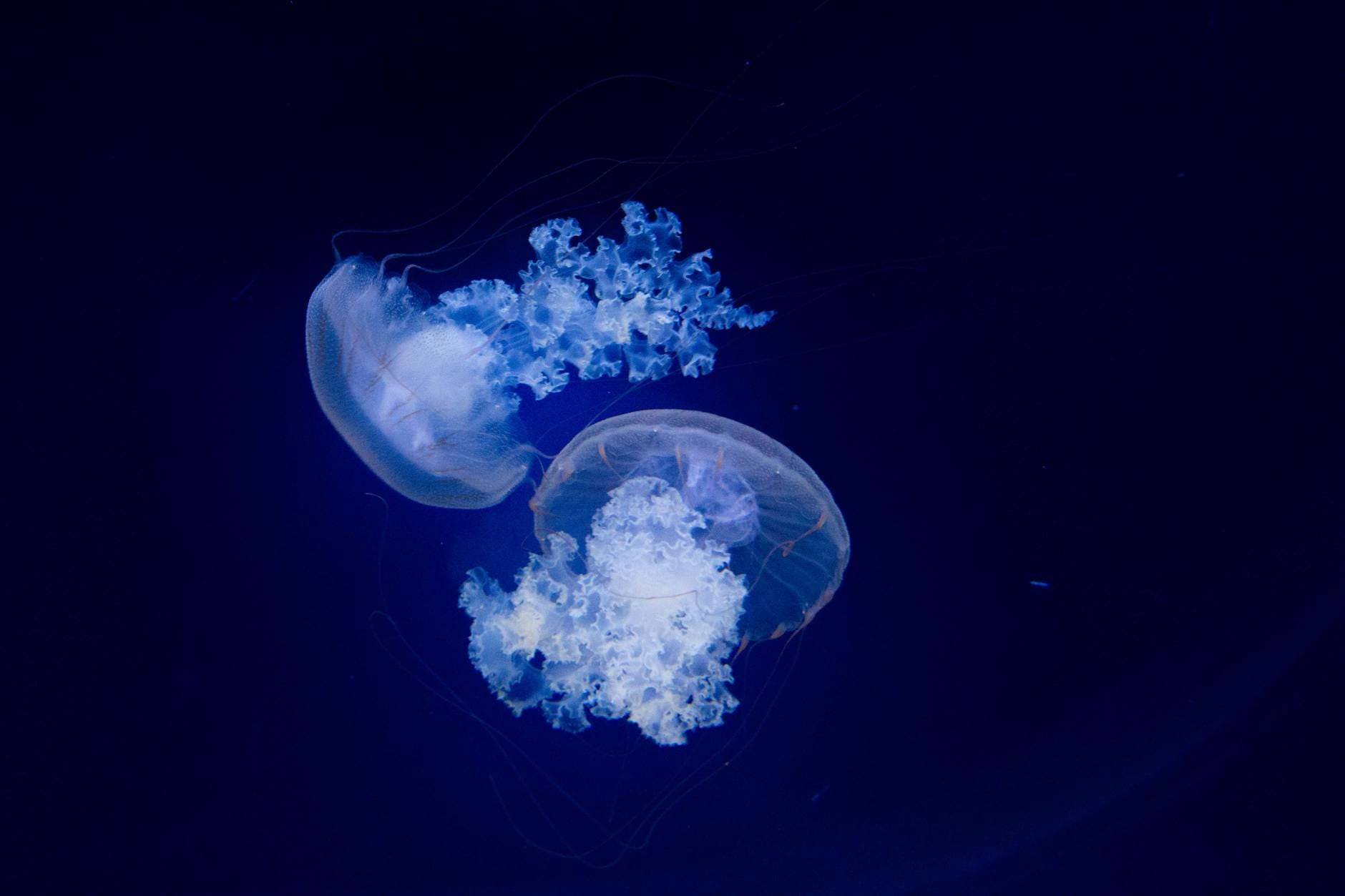
Scientists at City University of Hong Kong have identified a new box jellyfish species with 24 eyes in Hoi Ha Wan Marine Park, Sai Kung. Announced April 2025, the find boosts the park's profile as a marine destination and interpretive displays are planned for summer visitors.
Hoi Ha Wan Marine Park Discovery Point
📍 Hoi Ha Wan Marine Park, Sai Kung, New Territories, Hong Kong
🗓 Opened: April 2025
🌐 Website | 🗺 Google Maps
A New Box Jellyfish Species With 24 Eyes Has Been Discovered in Hong Kong Waters
April 2025, Hong Kong — Scientists and marine enthusiasts now have a compelling new reason to visit the waters around Hong Kong's Sai Kung district. A previously unknown species of box jellyfish, distinguished by its remarkable set of 24 eyes, has been officially identified and described by researchers studying the biodiversity of Hong Kong's coastline. The discovery, announced in April 2025, marks one of the most significant marine finds in the region in recent years, and it has immediately elevated Hoi Ha Wan Marine Park as a must-visit destination for anyone curious about the hidden life beneath Hong Kong's surface waters.
The newly identified species belongs to the class Cubozoa — the same group that includes some of the world's most venomous jellyfish. Despite its diminutive, cube-shaped body, which measures just a few centimetres across, this creature carries a sensory system of extraordinary complexity. Each of its 24 eyes is arranged in clusters called rhopalia, and scientists believe this visual apparatus allows the jellyfish to navigate, hunt, and avoid obstacles with a precision that belies its tiny frame. The find was led by researchers at the City University of Hong Kong, who have been systematically cataloguing marine species across the territory's protected coastal zones.
What Makes This Discovery So Unusual?
Box jellyfish are already considered among the most visually sophisticated invertebrates on Earth. Unlike most jellyfish, which drift passively, cubozoans actively swim and hunt, using their eyes to detect light, shadow, and movement. The fact that this new species possesses 24 functional eyes — arranged across four specialised sensory structures — places it firmly in one of nature's most fascinating evolutionary experiments. Researchers note that despite having no centralised brain, box jellyfish process visual information in ways that continue to puzzle neurobiologists worldwide.
What sets this Hong Kong species apart from its known relatives is not just its eye count but also subtle differences in bell morphology, tentacle arrangement, and the specific coastal habitat it favours. The specimen was repeatedly collected in the shallow, relatively sheltered waters of Hoi Ha Wan, a marine park long celebrated for its coral communities and rich biodiversity. Scientists are now conducting further genetic sequencing to formally publish the species description in a peer-reviewed journal, a process expected to be completed by mid-2025.
Why Hoi Ha Wan Marine Park Is Now on Every Marine Watcher's List
Hoi Ha Wan Marine Park, established in 1996, has always been one of Hong Kong's premier snorkelling and marine education sites. Covering approximately 260 hectares in the northern part of Clear Water Bay Peninsula, the park protects over 60 species of hard coral and serves as a nursery for dozens of reef fish species. The discovery of a new jellyfish species within its boundaries adds yet another layer of scientific prestige to a location that already draws researchers, divers, and school groups throughout the year.
Access to Hoi Ha Wan requires a short hike or a taxi ride from Sai Kung town, and the park's facilities include guided snorkel tours and an information centre run by the Agriculture, Fisheries and Conservation Department (AFCD). With the new species now drawing international media attention, visitor numbers are expected to rise significantly through the summer months. Marine educators are reportedly planning interpretive displays about the box jellyfish discovery to be installed at the park's visitor centre, giving the public a chance to learn about cubozoan biology in the very habitat where the creature was found.
Frequently Asked Questions
Where exactly was the new box jellyfish species discovered in Hong Kong?
The species was repeatedly collected in the shallow coastal waters of Hoi Ha Wan Marine Park in Sai Kung, New Territories, Hong Kong — a protected marine area known for its coral biodiversity.
Is the new box jellyfish dangerous to swimmers?
While all box jellyfish should be treated with caution, researchers have not yet fully assessed the venom potency of this newly identified species. Swimmers at Hoi Ha Wan are advised to follow AFCD guidelines and avoid handling any jellyfish encountered in the water.
Who discovered the new species and when was it announced?
The discovery was led by researchers at the City University of Hong Kong and was announced in April 2025. Full formal species description is pending peer-reviewed publication, expected by mid-2025.
Can visitors see the new jellyfish species at Hoi Ha Wan Marine Park?
Sightings are possible in the park's shallow waters, particularly during warmer months. The AFCD is planning interpretive displays about the species at the park's visitor centre to coincide with increased public interest.
Why do box jellyfish have so many eyes?
Box jellyfish use their 24 eyes — arranged in clusters called rhopalia — to actively navigate, hunt prey, and avoid obstacles. Despite having no centralised brain, they process visual information with surprising sophistication, making them one of nature's most studied sensory puzzles.