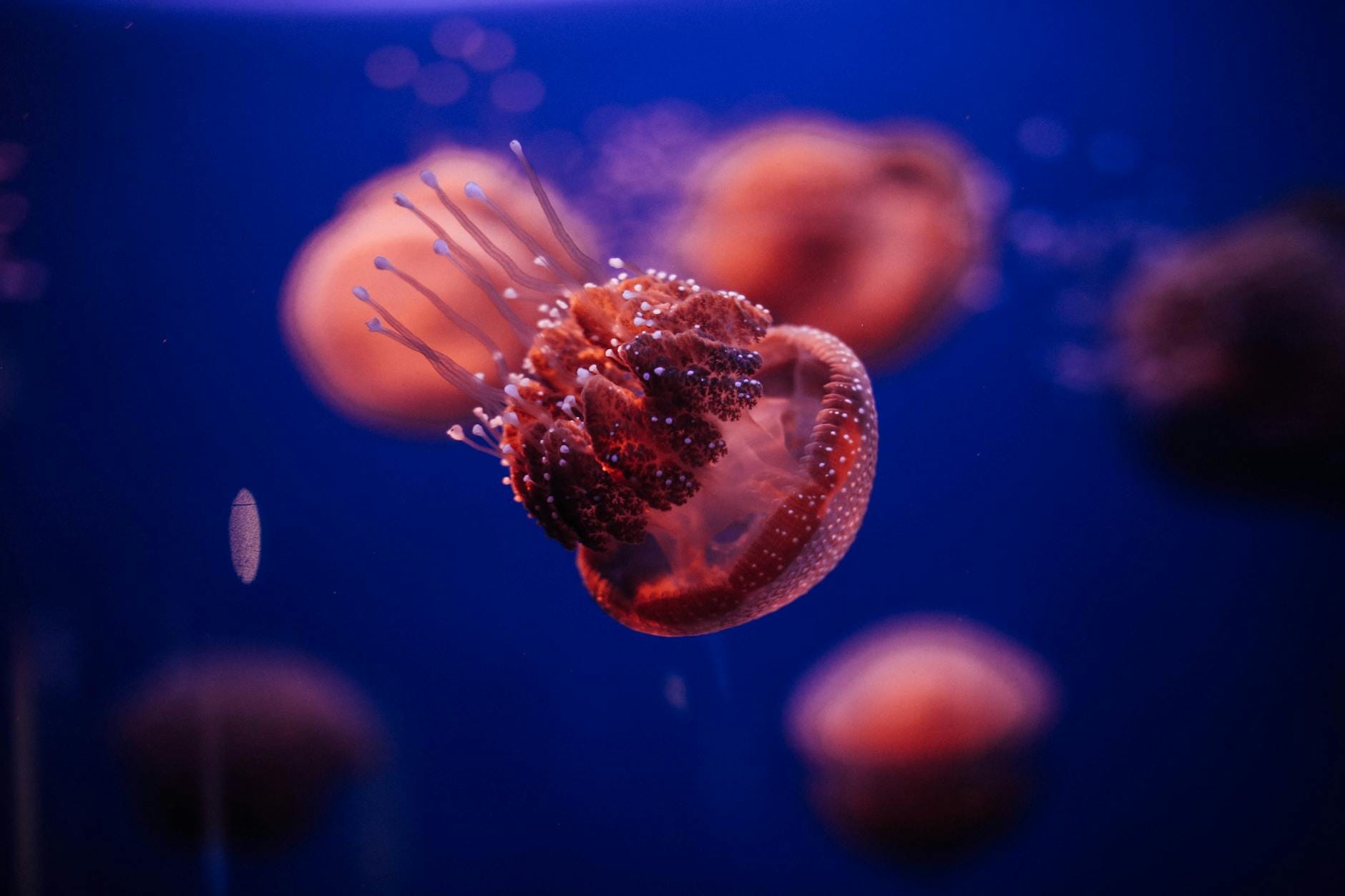
Scientists discovered Tripedalia maipoensis, a new box jellyfish species with 24 eyes, in Hong Kong's Mai Po Nature Reserve. It's the third species in its genus and highlights the area's rich marine biodiversity.
📍 Mai Po, Yuen Long District, New Territories, Hong Kong SAR
🗓 Species formally described: April 2025
🌐 Website | 🗺 Google Maps
A New Box Jellyfish Species Surfaces in Hong Kong
Hong Kong's coastal waters have yielded a remarkable scientific surprise in April 2025: a brand-new species of box jellyfish, formally named Tripedalia maipoensis, has been identified by researchers working in the city's Mai Po Nature Reserve. The creature is extraordinarily small — its bell measures just a few millimetres across — yet it carries one of the most sophisticated visual systems found anywhere in the animal kingdom. With 24 fully functional eyes arranged across its cube-shaped body, this jellyfish challenges long-held assumptions about the complexity of invertebrate sensory biology. The discovery has been published in a peer-reviewed journal and is already drawing attention from marine scientists across the Asia-Pacific region.
What makes Tripedalia maipoensis especially significant is its taxonomic rarity. It is only the third confirmed species within the genus Tripedalia, a group of box jellyfish known for their surprisingly advanced visual apparatus. The first species in this genus was described more than a century ago, making this new Hong Kong find a genuinely exceptional addition to the scientific record. Researchers from local universities collaborated with international marine biologists to confirm the species, conducting morphological analysis and genetic sequencing to distinguish it from its closest relatives.
What Makes This Discovery Scientifically Extraordinary?
Box jellyfish, despite having no centralised brain, possess a visual system that has fascinated neuroscientists for decades. The 24 eyes of Tripedalia maipoensis are organised into four sensory clusters called rhopalia, each containing six eyes of varying types — some capable of forming images, others sensitive only to light intensity. This arrangement allows the animal to monitor its environment in 360 degrees simultaneously, a feat that most far larger and more complex creatures cannot achieve. Scientists believe this visual sophistication evolved to help the jellyfish navigate through the dense mangrove root systems of its coastal habitat.
The Mai Po wetlands, a protected Ramsar site on the border between Hong Kong and Shenzhen, provide the brackish, shallow-water environment that Tripedalia maipoensis appears to favour. The reserve is already internationally recognised as a critical stopover for migratory birds, but this discovery underscores its importance as a biodiversity hotspot for marine invertebrates as well. Local conservationists have welcomed the find as further evidence that Hong Kong's protected natural areas harbour far more biological diversity than previously catalogued.
Why Does This Matter for Visitors and Nature Enthusiasts?
For travellers and residents with an interest in wildlife, the discovery adds a compelling new dimension to visits at Mai Po Nature Reserve, which is managed by WWF-Hong Kong and accessible via guided tours booked in advance. The reserve already offers extraordinary birdwatching opportunities, with over 380 species recorded on site, and its boardwalk trails through mangroves and mudflats are among the most atmospheric natural experiences available within the city's boundaries. The presence of a newly described jellyfish species in these same waters gives the reserve an additional layer of scientific prestige that few urban nature destinations anywhere in Asia can match.
Guided tours of Mai Po typically run on weekends and public holidays, with booking required through WWF-Hong Kong's official channels. Entry is restricted to protect the sensitive ecosystem, which means visitor numbers remain low and encounters with the reserve's wildlife feel genuinely intimate. Whether or not you spot a Tripedalia maipoensis — which, at just a few millimetres, would require a keen eye and considerable luck — the broader experience of walking through one of Hong Kong's last intact mangrove systems is reward enough.
The Verdict
This is not a restaurant or a rooftop bar, but it is absolutely a place worth putting on your itinerary this month. The formal description of Tripedalia maipoensis gives Hong Kong a legitimate claim to one of 2025's most intriguing wildlife discoveries, and Mai Po Nature Reserve is the only place on earth where you can stand in the habitat of this 24-eyed creature. Book a guided tour through WWF-Hong Kong, arrive early, and bring binoculars — the birds alone justify the trip, and the knowledge that something genuinely new to science is drifting through the water beside you makes it unforgettable.
Frequently Asked Questions
What is Tripedalia maipoensis?
Tripedalia maipoensis is a newly described species of box jellyfish discovered in the Mai Po Nature Reserve in Hong Kong. It is characterised by its cube-shaped bell, tiny size of just a few millimetres, and a sophisticated visual system comprising 24 functional eyes arranged in four clusters called rhopalia.
How many eyes does the new Hong Kong box jellyfish have?
The species possesses 24 eyes in total, grouped into four sensory organs known as rhopalia. Each rhopalium contains six eyes of different types, some capable of forming rudimentary images and others sensitive to light levels, enabling the jellyfish to perceive its surroundings in all directions simultaneously.
Where exactly was the new jellyfish species found in Hong Kong?
The species was identified in the brackish, shallow waters of the Mai Po Nature Reserve, located in the Yuen Long District of the New Territories, along the border between Hong Kong and Shenzhen. Mai Po is a protected Ramsar wetland site managed by WWF-Hong Kong.
Can visitors see the new jellyfish at Mai Po Nature Reserve?
Spotting Tripedalia maipoensis in the wild would be extremely challenging given its tiny size, but visitors can explore the same mangrove habitat where it was discovered. Guided tours of Mai Po are available through WWF-Hong Kong and must be booked in advance, as access to the reserve is restricted to protect the ecosystem.
Why is this box jellyfish discovery significant for Hong Kong?
The discovery confirms Hong Kong's urban wetlands as a site of genuine global biodiversity significance. Tripedalia maipoensis is only the third species ever identified in its genus, making it an exceptionally rare find. The discovery also reinforces the scientific and conservation value of Mai Po Nature Reserve as one of Asia's most important protected coastal habitats.