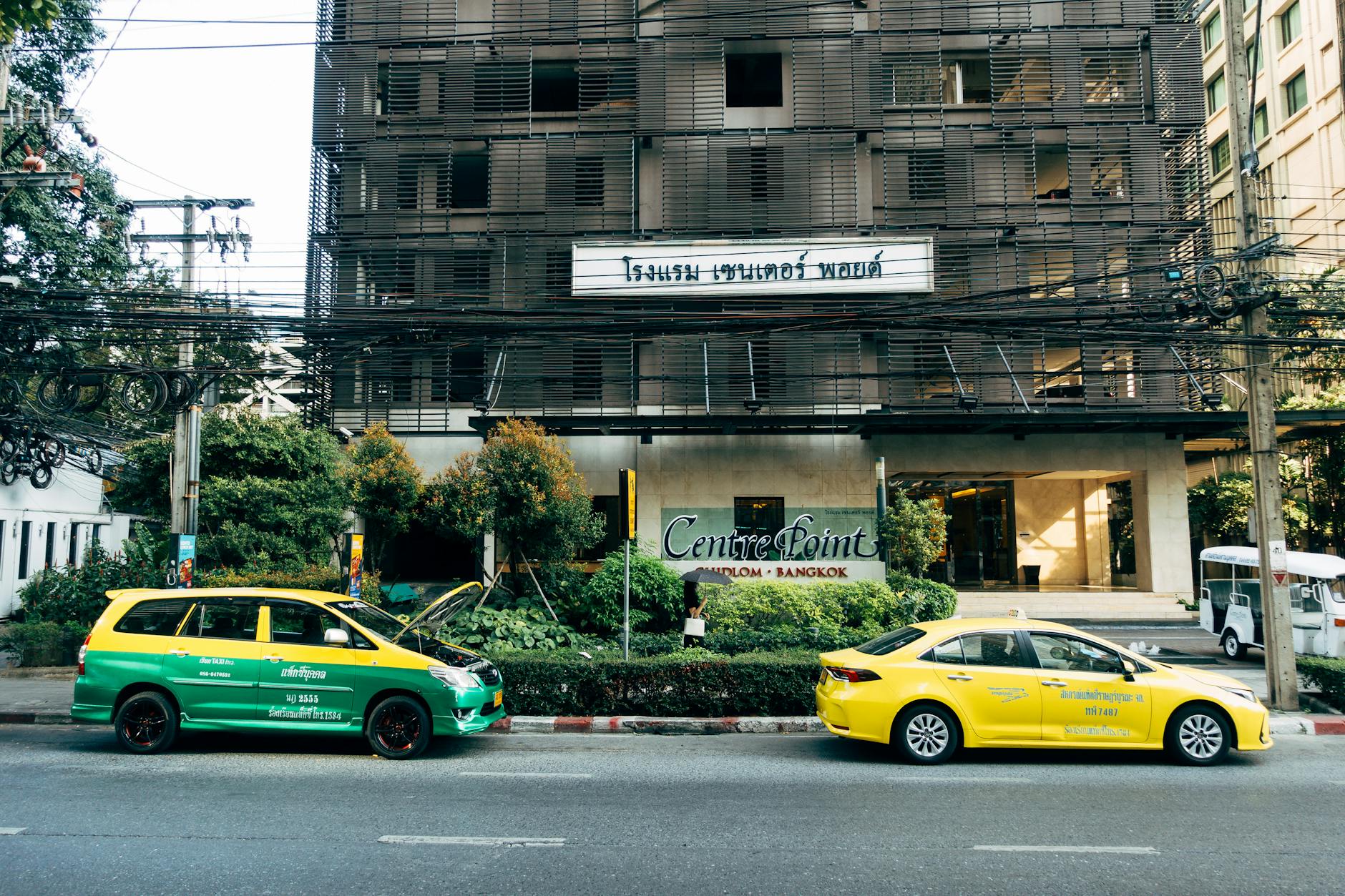
Bangkok's BMA opened 225 free air-conditioned cooling centres and 2,806 drinking water stations across all 50 city districts in June 2025, offering no-registration heat relief to residents and tourists during record-breaking temperatures.
Bangkok's 225 Cooling Centres Open Free to the Public This Hot Season
Bangkok's cooling centres launched across the city in June 2025, offering free refuge as temperatures push into dangerous territory for residents and visitors alike. The Bangkok Metropolitan Administration (BMA) has activated 225 dedicated cooling spots citywide, making this one of the most ambitious urban heat-relief programmes Southeast Asia has seen in recent years. Whether you're a long-term expat, a short-stay traveller, or a local navigating the city on foot, these centres are open, free, and available right now.
This isn't a soft response to a mild warm spell. Bangkok recorded some of its highest-ever heat index readings this season, with real-feel temperatures regularly breaching 45°C in exposed areas. The BMA's intervention is a direct acknowledgement that urban heat in a megacity of over 10 million people is no longer just uncomfortable — it is a public health emergency. The cooling centres are the most visible part of a wider infrastructure push that includes 2,806 clean drinking water stations distributed across all 50 of Bangkok's districts.
What Are the Cooling Centres and Where Are They?
The 225 cooling centres are spread across government buildings, community halls, district offices, schools, and public libraries throughout Bangkok. Each location is air-conditioned and stocked with seating, and many offer access to clean drinking water on-site. The BMA has specifically prioritised placement in high-density, lower-income neighbourhoods where residents are most exposed to outdoor heat and least likely to have access to private air conditioning at home.
The centres are open during peak heat hours — typically from late morning through the early afternoon — though hours vary slightly by district. Visitors do not need to register or present identification to enter. The programme is designed to be as frictionless as possible: walk in, cool down, hydrate, and continue your day. For tourists moving between attractions in the old city, Rattanakosin, or the riverside districts, these centres provide a practical mid-route stop that costs absolutely nothing.
How Does the Drinking Water Network Work?
Alongside the cooling centres, the BMA has deployed 2,806 clean drinking water stations at fixed points across the city. These stations are separate from the cooling centres and are positioned at transit hubs, markets, parks, and along major pedestrian routes. The water is filtered and tested to meet municipal safety standards, providing a meaningful alternative to purchasing bottled water — an expense that adds up quickly for daily commuters and budget travellers navigating Bangkok on foot.
The scale of this network is notable. Spread across 50 districts, the stations average roughly 56 units per district, meaning most Bangkok residents are within a short walk of a free water point. For a city that has long struggled with heat island effects driven by dense construction, limited green space, and heavy traffic, this infrastructure represents a tangible shift in how city authorities are treating heat as a managed urban risk rather than a seasonal inconvenience.
Why This Matters for Visitors to Bangkok Right Now
For anyone planning to visit Bangkok in June, July, or August 2025, the cooling centre network changes the practical calculus of sightseeing. The traditional advice — avoid midday, stay hydrated, take taxis between stops — remains valid, but the existence of free, accessible cool spaces along major routes means that walking itineraries are more viable than they were in previous years. Areas like Yaowarat, Silom, and the riverside temple circuit all fall within districts covered by the BMA's programme.
Beyond pure practicality, the programme signals something broader about Bangkok's evolution as a city that takes visitor welfare seriously at the infrastructure level. Singapore has long been cited as the regional benchmark for managed urban environments; Bangkok's heat response this season is a reminder that Thailand's capital is capable of rapid, large-scale civic mobilisation when the situation demands it. The cooling centres won't appear on any curated travel list, but they may well be the most useful new public amenity Bangkok has opened this year.
Bangkok BMA Cooling Centres (Network of 225)
📍 Distributed across all 50 districts, Bangkok, Thailand
🗓 Opened: June 2025
🌐 Website | 🗺 Google Maps
The Verdict
Bangkok's 225 cooling centres are a genuinely new public infrastructure addition that any visitor or resident can use starting this month. They are free, no-registration, and strategically placed across the city's most populated districts. If you are in Bangkok during the June-to-August heat peak, knowing where your nearest cooling centre is should be as standard as knowing your nearest BTS station. Go now — the heat isn't letting up anytime soon, and neither is the need for these spaces.
Frequently Asked Questions
Are Bangkok's cooling centres free to enter?
Yes. All 225 BMA cooling centres are completely free to enter and require no registration or identification. They are open to residents and visitors alike during peak heat hours, which typically run from late morning through early afternoon, though exact hours vary by district.
Where exactly are the cooling centres located in Bangkok?
The centres are spread across all 50 Bangkok districts and are housed in government buildings, community halls, district offices, public libraries, and schools. The BMA has prioritised high-density and lower-income neighbourhoods, but coverage extends citywide. Check the Bangkok Metropolitan Administration website or ask at your nearest district office for the closest location.
What is the difference between the cooling centres and the drinking water stations?
The cooling centres are air-conditioned indoor spaces where people can sit and rest during peak heat hours. The 2,806 drinking water stations are separate fixed outdoor points positioned at transit hubs, markets, and pedestrian routes where filtered drinking water is available for free. Both are part of the same BMA heat-relief programme but operate independently of each other.
How long will the cooling centres remain open?
The BMA has activated the centres in direct response to the 2025 hot season. While no fixed end date has been publicly announced, the programme is expected to remain operational through the peak of the hot season. Bangkok's heat typically eases somewhat from late September onward as the monsoon season progresses.
Can tourists use the cooling centres, or are they only for Bangkok residents?
The centres are open to everyone — no residency requirement, no documentation needed. Tourists exploring Bangkok on foot during the hot season are encouraged to use them as rest stops. The programme is designed for maximum accessibility, so simply walk in during operating hours and you are welcome to stay until you are ready to continue your day.