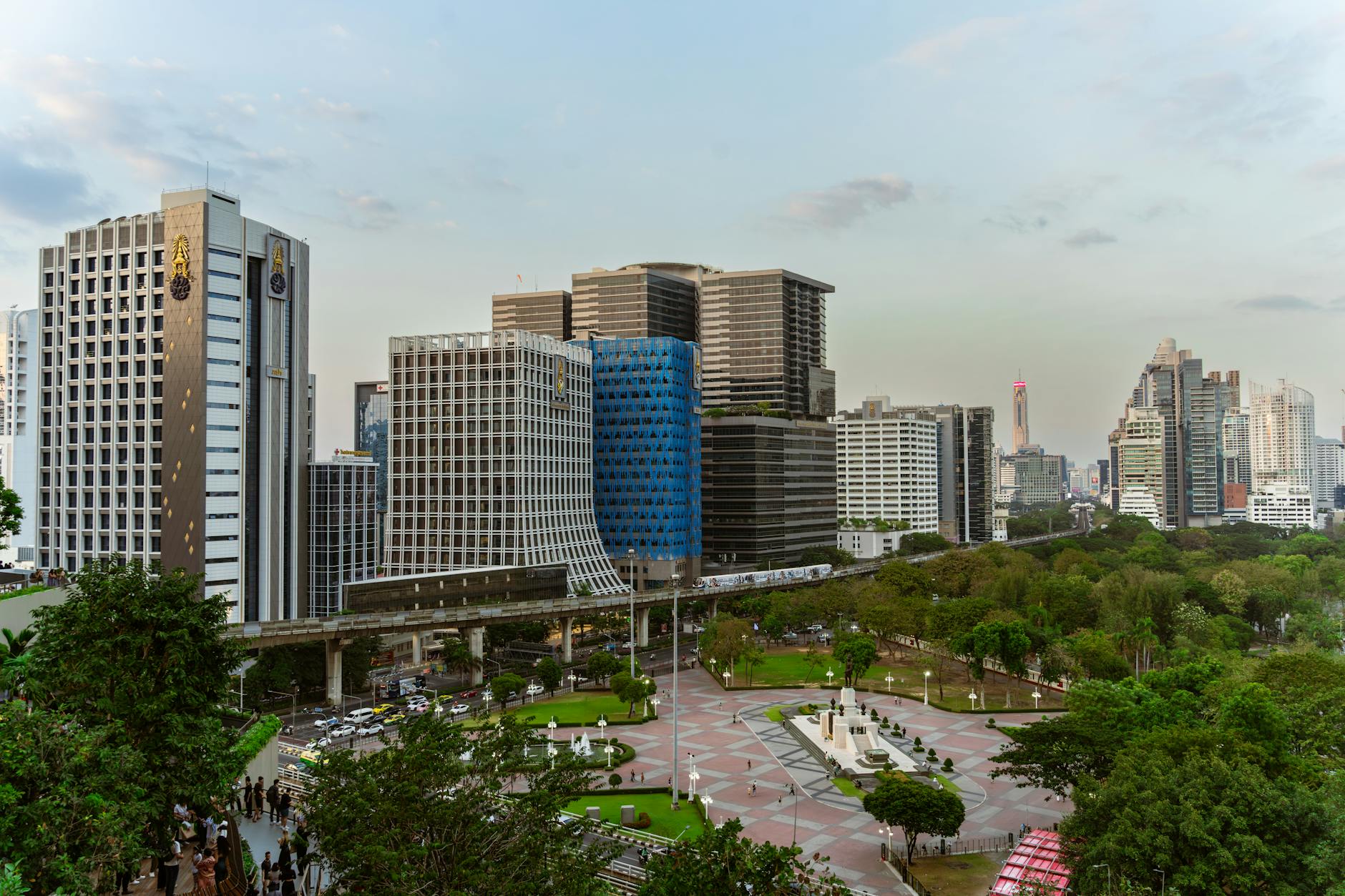
Bangkok's first dedicated hawker centre opens in May 2025. It features up to 88 stalls in a permanent, infrastructure-ready venue inspired by Singapore's model, offering curated Thai street food in a communal setting.
Bangkok Hawker Center: What Is It and Why Does It Matter?
Bangkok's first hawker centre is opening its doors in May 2025, and for a city already celebrated as one of the world's great street food capitals, the arrival of this organised, purpose-built food hub marks a genuinely significant shift. Unlike the ad-hoc street stalls and night markets that have long defined Bangkok's eating culture, this venue introduces a structured, permanent space where dozens of independent vendors operate under one roof with shared infrastructure. For locals and regional visitors alike, it represents a new way to experience Thai street food — curated, accessible, and built to last.
The concept draws clear inspiration from Singapore's legendary hawker centres, which have been recognised by UNESCO as part of the city-state's intangible cultural heritage. Bangkok's version brings that model to Southeast Asia's most food-obsessed metropolis, where the appetite for affordable, high-quality, diverse eating options has never been stronger. The timing feels right: Bangkok's food scene has matured enormously over the past decade, and a dedicated hawker centre gives it an institutional anchor it has never had before.
How Does the Venue Work?
The centre accommodates up to 88 vendors, each assigned a compact two-by-two metre stall. Crucially, every stall comes pre-fitted with water, electricity, and sanitation connections — removing the logistical barriers that typically prevent small operators from scaling up or formalising their businesses. This infrastructure-first approach is what distinguishes a true hawker centre from a temporary market or pop-up food fair. Vendors can focus entirely on cooking rather than managing utilities, and customers benefit from a cleaner, more consistent environment than a typical roadside setup.
The stall format also encourages specialisation. Rather than one vendor trying to cover an entire menu, each operator is expected to do one or two things exceptionally well — the classic hawker model that has produced some of Asia's most celebrated dishes. Expect a dense mix of Thai regional cuisines alongside Chinese-Thai classics, grilled skewers, noodle soups, and fresh fruit vendors, all within walking distance of each other. The communal seating arrangement, another hallmark of the hawker format, means strangers share tables and the social energy of the space becomes part of the draw.
What Can You Eat There?
While the full vendor lineup has not been finalised ahead of the May opening, the hawker centre format historically rewards those who arrive early and explore widely. Bangkok's culinary depth means the stall mix could include anything from boat noodles and pad kra pao to lesser-known regional dishes from the North and South of Thailand. The two-by-two metre stall constraint naturally filters for vendors with tight, confident menus — a good sign for quality.
- Expected staples: Pad thai, boat noodles, grilled pork skewers, mango sticky rice
- Regional wildcards: Northern khao soi, Southern massaman, Isaan larb and som tum
- Price range: Estimated 60–150 THB per dish, in line with Bangkok street food norms
- Seating: Communal open-hall style, no reservations required
Bangkok Hawker Center
📍 Bangkok, Thailand
🗓 Opened: May 2025
🌐 Website | 🗺 Google Maps
Why Does Bangkok Need a Hawker Centre Now?
Bangkok has watched Singapore, Penang, and even Taipei formalise their street food cultures into protected, celebrated institutions while its own vendors have remained largely informal and vulnerable to urban redevelopment. Several beloved Bangkok street food clusters have disappeared in recent years as property values rose and municipal authorities cleared pavements. A permanent hawker centre offers a solution: a protected, legal, infrastructure-supported space where small food businesses can operate sustainably without fear of eviction.
There is also a tourism angle. Visitors to Bangkok frequently cite street food as a primary motivation for travel, yet navigating the city's sprawling, unorganised food scene can be overwhelming for first-timers. A hawker centre provides a single destination that delivers the full breadth of Bangkok's food culture in one visit — an enormous convenience for the millions of tourists who pass through the city each year. For the regional food traveller already familiar with Singapore's hawker centres or Penang's heritage coffee shops, Bangkok's new venue offers a compelling new reason to book a flight.
Frequently Asked Questions
When does Bangkok's first hawker centre open?
The venue is scheduled to open in May 2025, making it one of the most anticipated food destinations in Bangkok this year.
How many vendors will be at the Bangkok Hawker Center?
The centre has capacity for up to 88 vendors, each operating from a two-by-two metre stall equipped with water, electricity, and sanitation.
Is the Bangkok Hawker Center similar to Singapore's hawker centres?
The concept is clearly inspired by Singapore's model — permanent stalls, shared infrastructure, communal seating, and a focus on affordable, specialist food. However, the Bangkok version will feature Thai and Chinese-Thai cuisine rather than the multicultural Singaporean mix.
How much does it cost to eat at the Bangkok Hawker Center?
Prices are expected to align with Bangkok street food norms, roughly 60–150 THB per dish, making it accessible for both locals and budget-conscious travellers.
Where exactly is the Bangkok Hawker Center located?
The precise address has not been officially confirmed ahead of the May 2025 opening. Check local listings and the venue's official channels closer to the launch date for confirmed location details.