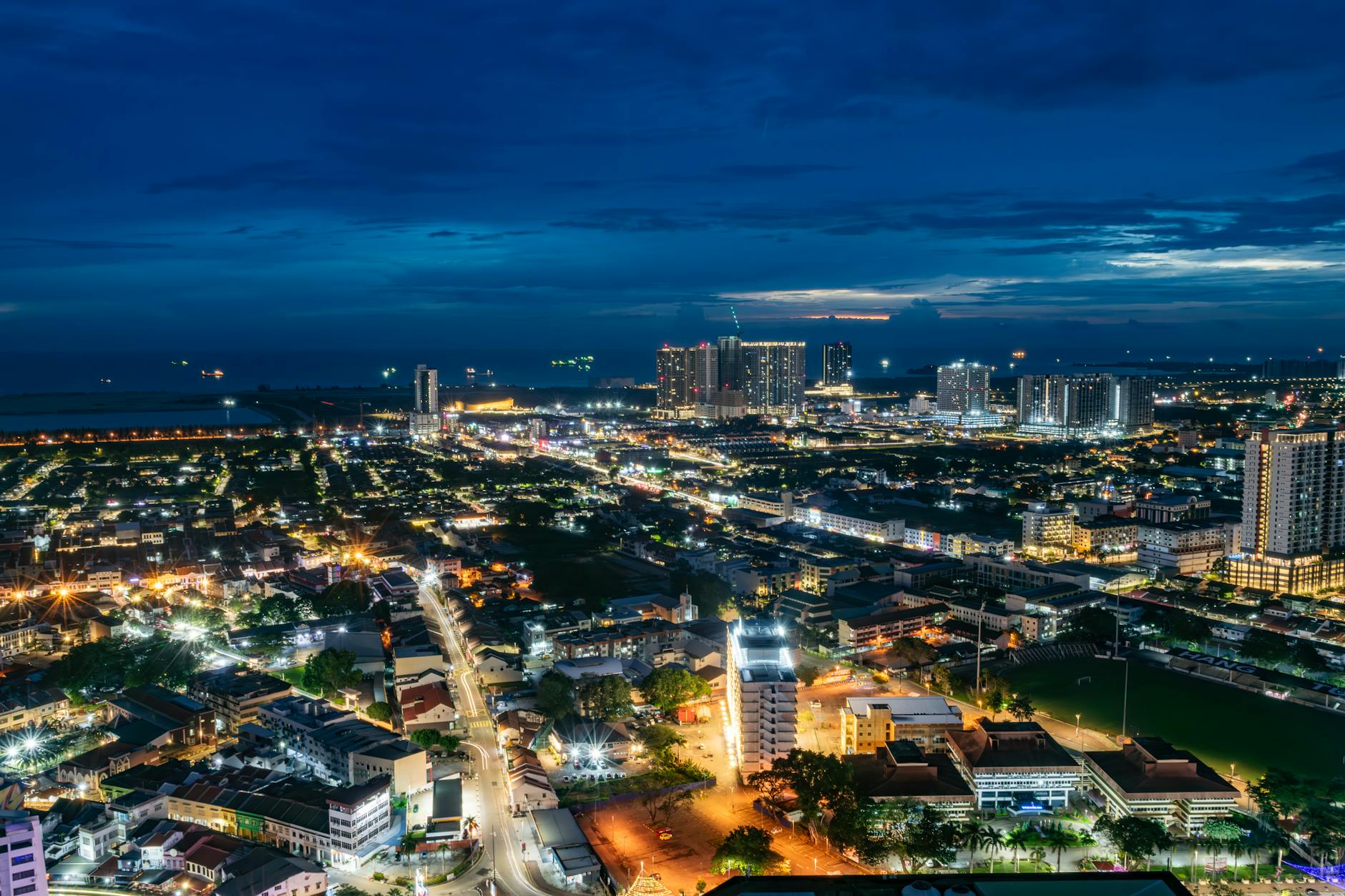
Singapore and Malaysia launch a quarantine-free Vaccinated Travel Lane (Land) on November 29, 2021. Vaccinated travellers can cross via designated buses with daily quotas and pre-departure COVID-19 tests, ending nearly two years of separation.
Quarantine-Free Travel Between Singapore and Malaysia: What Is the Vaccinated Travel Lane?
From November 29, 2021, Singapore and Malaysia will open a long-awaited quarantine-free travel corridor, officially designated the Vaccinated Travel Lane (Land), or VTL (Land). This marks the first time since March 2020 that residents on both sides of the Causeway can cross freely without serving mandatory hotel quarantine upon arrival. The announcement was made jointly by both governments and represents one of the most significant border relaxations in Southeast Asia since the pandemic began. For the tens of thousands of families, workers, and frequent travellers split between the two countries, the date cannot come soon enough.
The VTL (Land) will initially operate through the Woodlands Checkpoint in Singapore and the Johor Bahru Customs, Immigration and Quarantine complex in Malaysia. Travellers must be fully vaccinated and will need to use designated VTL buses rather than private vehicles in the first phase of the scheme. Daily quotas will apply — 2,880 travellers per direction per day at launch — so early planning and booking are strongly advised. The quota system mirrors the approach already used in Singapore's air-based VTLs with countries including Germany, the United Kingdom, and South Korea.
How Does the VTL (Land) Actually Work?
Eligible travellers must hold a valid VTL (Land) ticket on an approved bus service, present a negative pre-departure COVID-19 Antigen Rapid Test (ART) result taken within two days of travel, and carry proof of full vaccination. Upon arrival in Singapore, travellers will need to take an on-arrival ART test at the checkpoint before proceeding. Those arriving into Malaysia will follow the MySejahtera health app protocol and may be subject to additional requirements set by the Malaysian Ministry of Health. Both governments have stressed that the process, while multi-step, has been designed to move as efficiently as possible through the land checkpoints.
Unlike the air VTLs, the land route carries particular emotional weight. The Johor-Singapore corridor is one of the busiest land borders in the world under normal circumstances, with an estimated 300,000 to 400,000 crossings daily before the pandemic. Many Malaysian workers commute to Singapore, and many Singaporean families have relatives across the border in Johor. The 20-month separation has been acutely felt, and the November 29 date has already generated significant buzz across social media in both countries, with many users sharing plans to visit family, favourite hawker stalls, and weekend getaway spots in Johor Bahru.
Why Does This Matter for Regional Travel in 2021?
The Singapore-Malaysia VTL (Land) is being watched closely by travel industry observers across the region as a potential template for other bilateral land border reopenings. If the corridor operates smoothly in its first weeks, pressure will mount on other ASEAN nations to consider similar frameworks. Thailand and Malaysia share a busy southern land border; Indonesia and Malaysia have multiple crossing points in Borneo. The success or failure of this initial VTL (Land) could shape the pace of broader regional land border reopening well into 2022.
For the hospitality and food and beverage sectors in Johor Bahru specifically, the reopening is expected to deliver an immediate economic boost. Hotels in JB's city centre, seafood restaurants along the waterfront, and shopping malls that cater heavily to Singaporean day-trippers have been operating at drastically reduced capacity for nearly two years. Industry groups in Johor have expressed cautious optimism, noting that while the initial daily quota of 2,880 travellers per direction is modest compared to pre-pandemic volumes, it signals a genuine commitment from both governments to restore normal movement.
Woodlands Checkpoint VTL (Land) Departure Point
📍 Woodlands Checkpoint, 31 Woodlands Crossing, Singapore 738343
🗓 Opened: November 29, 2021
🌐 Website | 🗺 Google Maps
Frequently Asked Questions
Who is eligible to use the Singapore-Malaysia VTL (Land)?
Eligible travellers include Singapore citizens, permanent residents, and long-term pass holders, as well as Malaysian citizens and residents who are fully vaccinated. Travellers must hold a valid VTL (Land) bus ticket on an approved operator and carry proof of vaccination and a negative pre-departure ART result taken within 48 hours of crossing.
Can I drive my own car through the VTL (Land) corridor?
No. In the initial phase launching November 29, 2021, travellers must use designated VTL (Land) bus services. Private vehicle crossings under the VTL framework are not permitted at launch, though both governments have indicated this may be reviewed as the corridor matures.
What is the daily traveller quota for the VTL (Land)?
At launch, the quota is set at 2,880 travellers per direction per day — meaning 2,880 people can travel from Singapore to Malaysia, and 2,880 can travel in the reverse direction. This is significantly lower than pre-pandemic daily crossing volumes but is expected to increase if the corridor operates without major public health incidents.
Do I still need to take a COVID-19 test when using the VTL (Land)?
Yes. Travellers must take a pre-departure Antigen Rapid Test within two days of travel and present a negative result at the checkpoint. An additional on-arrival ART test is required upon entering Singapore. Malaysian entry requirements follow MySejahtera protocols and may include further testing obligations.
Will the VTL (Land) expand to other border crossings beyond Woodlands?
At launch, the VTL (Land) operates exclusively through the Woodlands Checkpoint in Singapore and the Johor Bahru CIQ complex. Both governments have not ruled out expanding to the Tuas Second Link crossing in future phases, but no official timeline has been confirmed as of the November 2021 announcement.