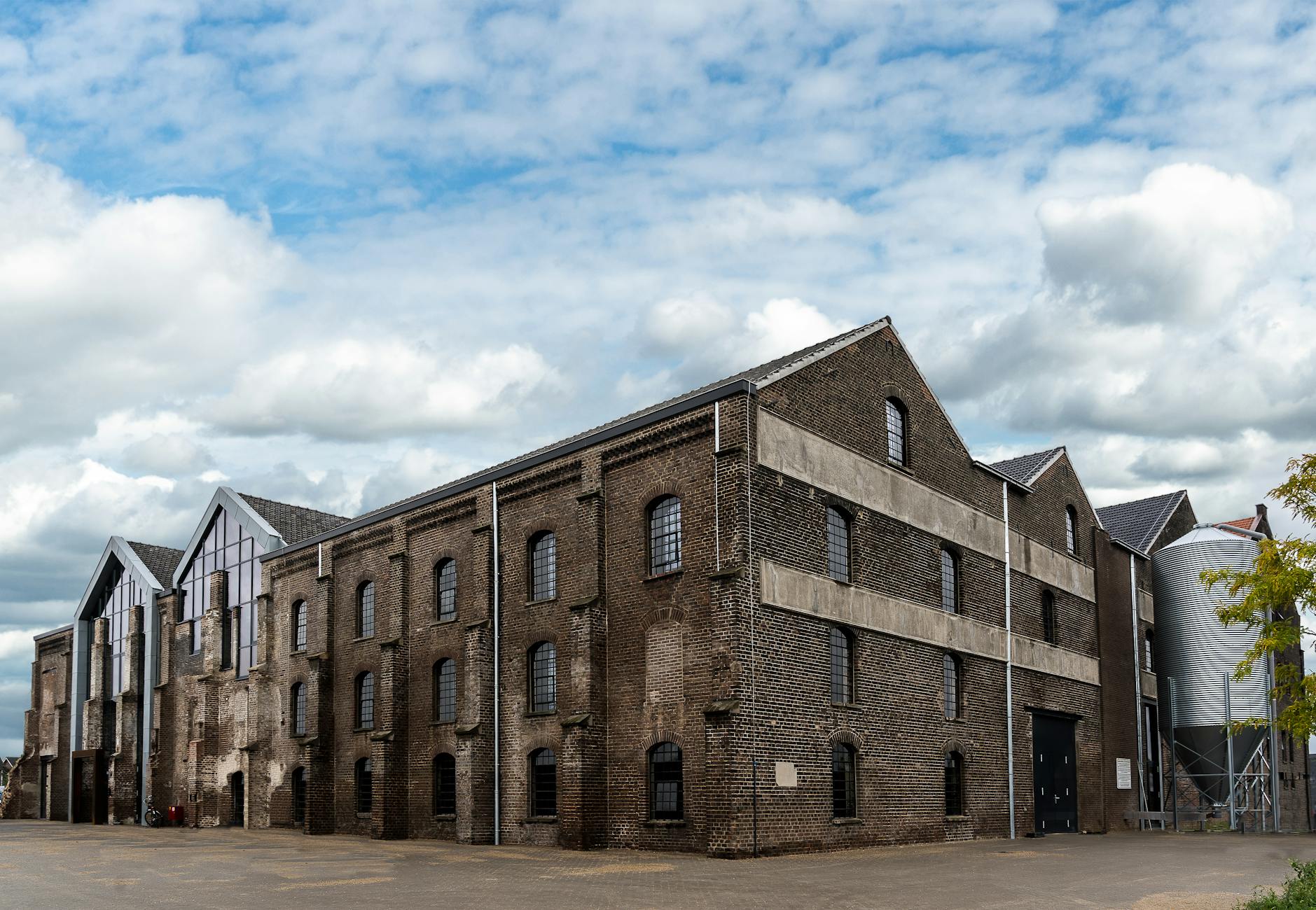
Singapore Nuclear Safety Capability Centre (Conceptual Hub – National Environment Agency)
📍 National Environment Agency, 40 Scotts Road, Environment Building, Singapore 228231
🗓 Opened: July 2025
🌐 Website | 🗺 Google Maps
Singapore Steps Up Its Nuclear Safety Ambitions With a Landmark IAEA Renewal
Singapore has quietly been building one of Southeast Asia's most serious nuclear safety frameworks, and this month that effort received a significant institutional boost. The Republic's National Environment Agency (NEA) has extended its formal cooperation agreement with the International Atomic Energy Agency (IAEA), the United Nations' principal nuclear watchdog, reinforcing a partnership that places Singapore at the forefront of regional nuclear preparedness. For a city-state with no nuclear power plants of its own, the move signals a forward-looking posture — one that acknowledges nuclear energy's growing role across Asia and the need for credible regional expertise. Observers watching Southeast Asia's energy transition will find this development hard to ignore.
What the Agreement Actually Covers
The renewed agreement between NEA and the IAEA spans a broad range of technical and regulatory competencies, from radiation safety protocols to emergency preparedness frameworks. Under the partnership, Singapore gains access to IAEA's global network of nuclear safety experts, training programmes, and peer review mechanisms that few countries in the region can independently replicate. Officials from NEA have indicated that the collaboration will directly strengthen Singapore's ability to assess nuclear safety risks — both domestically and in its capacity as a regional hub advising neighbouring states. This is not a passive arrangement; it involves active knowledge transfer, joint exercises, and the development of localised safety standards calibrated to Southeast Asian conditions.
- Key focus area: Radiation protection and nuclear emergency response training
- Partner organisation: International Atomic Energy Agency (IAEA), Vienna
- Lead agency: National Environment Agency (NEA), Singapore
- Regional significance: Positions Singapore as a nuclear safety advisory hub for ASEAN
Why This Matters for the Region Right Now
Southeast Asia is experiencing a genuine nuclear energy renaissance. The Philippines is actively reconsidering the long-dormant Bataan Nuclear Power Plant, Vietnam has revived its nuclear energy ambitions after a decade-long pause, and Thailand and Indonesia are both conducting feasibility studies. As these nations edge closer to operational nuclear infrastructure, the demand for credible safety oversight and trained personnel will surge dramatically. Singapore, with its established regulatory culture, multilingual workforce, and deep institutional relationships with international bodies, is uniquely positioned to serve as a training and advisory centre for the region. The NEA-IAEA agreement effectively formalises that role, giving Singapore a structured platform to export nuclear safety knowledge across ASEAN borders.
Singapore's Broader Nuclear Safety Infrastructure
This is not Singapore's first engagement with nuclear safety governance. The country has maintained radiation monitoring networks, regulated the use of radioactive materials in medicine and industry for decades, and trained specialists through partnerships with institutions including the IAEA and various European nuclear agencies. NEA's radiation protection division has grown steadily in both headcount and technical sophistication over the past ten years, reflecting a deliberate national strategy rather than a reactive one. The renewed IAEA agreement builds on this foundation, adding fresh layers of international credibility and access to peer-reviewed best practices that would otherwise take years to develop independently.
Who Should Pay Attention
Beyond policymakers and energy sector professionals, this development carries relevance for businesses operating in nuclear-adjacent industries — medical imaging, industrial radiography, research institutions, and the growing clean-energy investment community. Singapore's deepening nuclear safety credentials make it an increasingly attractive base for companies seeking regulatory clarity and a skilled local talent pipeline in these fields. For professionals in health physics, environmental monitoring, or energy policy, the expanded NEA-IAEA collaboration may open new training pathways and certification opportunities right here in the city-state.
The Verdict
Singapore's extension of its IAEA partnership is a measured, strategically intelligent move that strengthens both its domestic regulatory capacity and its regional influence at precisely the right moment. As nuclear energy edges back into Asia's mainstream energy conversation, having a well-resourced, internationally connected safety hub in the region's most trusted regulatory environment is genuinely valuable. This is the kind of institutional infrastructure that compounds in importance over time — and Singapore is building it now, before the demand peaks.