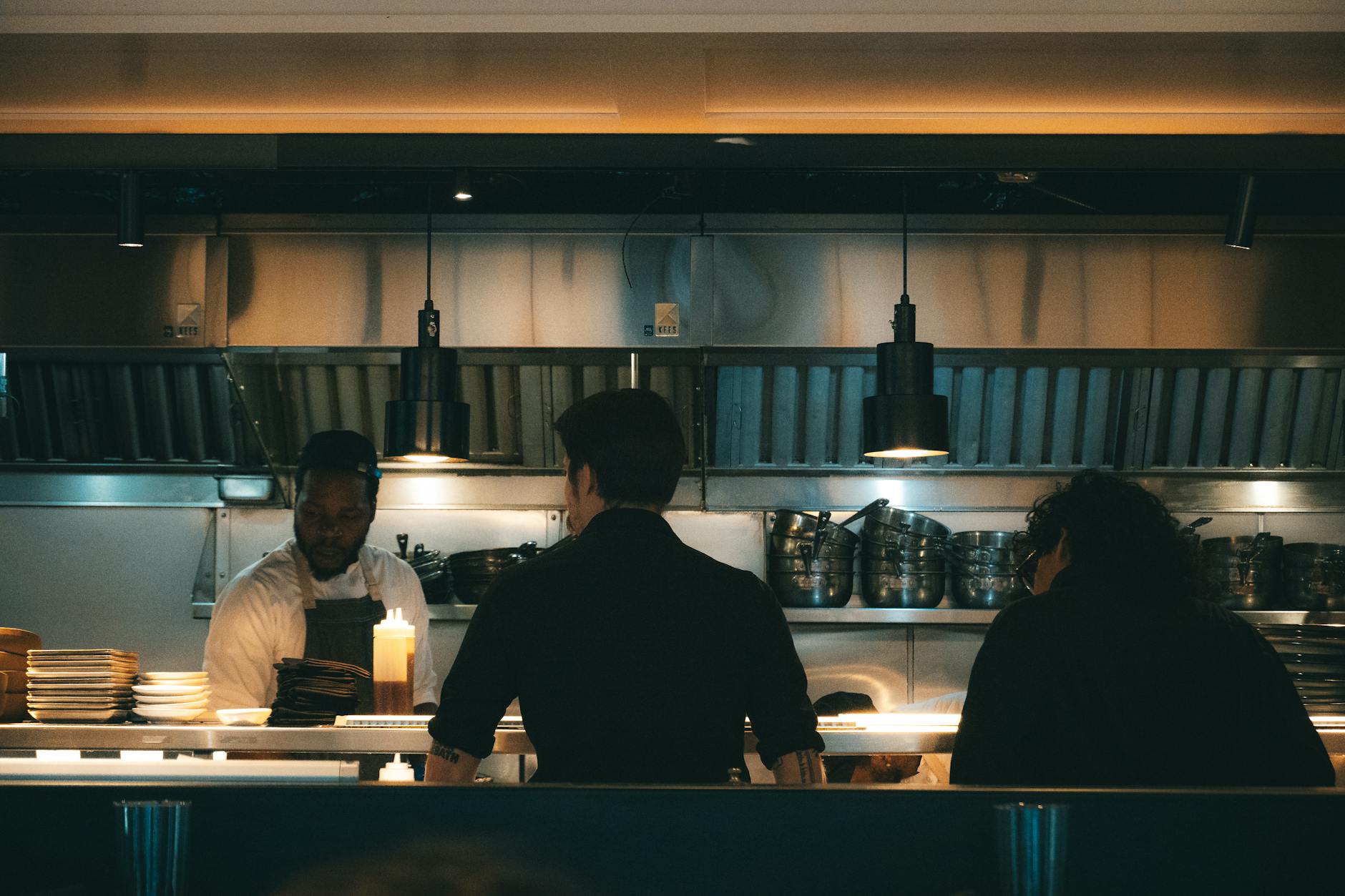
Asia's newest restaurants are opening with confidence and craft across Seoul, Singapore, Bangkok, and beyond. Fermentation menus, omakase counters, and chef-driven neighbourhood spots define Q1 2024. Book now before the waiting lists make it impossible.
TL;DR: Asia's newest dining destinations are rewriting what it means to eat out in 2024. From Seoul to Singapore, a wave of boldly conceived restaurants has opened in the past 90 days, and Cleveland's Midwestern rise is the perfect lens through which to understand why diverse, community-rooted food cities always punch above their weight.
Why Asia's Newest Restaurant Openings Deserve Your Attention Right Now
Asia's most exciting new restaurants are not arriving quietly. Across the region, ambitious chefs, international investors, and local tastemakers are debuting venues that challenge convention, compress geography, and make a credible case that the next great food city could be anywhere from Chengdu to Colombo. The pace of openings in the first quarter of 2024 has been remarkable, with dozens of high-concept spaces launching across Southeast Asia, East Asia, and South Asia simultaneously. For a regional reader, the question is no longer where to eat — it is how to keep up.
What makes this moment particularly compelling is the cross-pollination happening at the chef level. Cooks trained in Tokyo are opening izakayas in Jakarta. Alumni of Copenhagen's Noma are launching fermentation-forward tasting menus in Bangkok. Singaporean restaurateurs who built their reputations on hawker culture are now funding sleek, reservation-only omakase counters in Kuala Lumpur. The result is a regional dining scene that is simultaneously hyper-local and aggressively global, and the venues opening right now reflect that duality with unusual clarity.
What Makes a New Asian Venue Worth Visiting This Month?
The best new openings share a handful of qualities that separate them from the noise. First, they have a point of view — a clear culinary identity that does not apologise for itself. Second, they are built around a specific ingredient, technique, or community rather than a vague aspiration to be "modern Asian." Third, and perhaps most importantly, they are genuinely new: not rebrands, not soft relaunches, not legacy restaurants with a coat of paint, but first-time openings with first-time menus and first-time teams stepping into the light.
Consider the template set by venues like Sézanne in Tokyo or Potong in Bangkok — both celebrated for their ability to root themselves in local culture while speaking an international culinary language. The newest wave of openings is attempting something similar, but with even less patience for nostalgia. Chefs are younger, price points are more democratic, and the design language is rawer, favouring exposed concrete and hand-thrown ceramics over the velvet-and-marble formality of the previous decade's fine dining boom.
How Do These Venues Compare to Global Food City Benchmarks?
The conversation around Cleveland, Ohio — a Midwestern city celebrated for its diversity and its underdog dining energy — offers a useful comparison point for understanding what Asia's rising food cities are doing right. Cleveland succeeded not because it copied New York or Chicago, but because it leaned into its own immigrant communities, its own produce, and its own unpretentious appetite for flavour over spectacle. Asia's emerging food cities are following an identical playbook. Penang has always known this. Osaka has built an entire civic identity around it. Now cities like Tbilisi-adjacent Almaty, rapidly modernising Colombo, and the ever-surprising Chiang Mai are demonstrating that culinary greatness scales with authenticity, not budget.
The venues opening across Asia right now are, in many cases, the product of chefs who grew up eating at street stalls and night markets and have chosen to honour that inheritance rather than escape it. That grounding gives the food an honesty that is difficult to manufacture and impossible to fake. It is also, not coincidentally, exactly what draws international food media to cities like Cleveland — the sense that something real is happening, driven by people who actually live there.
Signature Experiences to Look For at Asia's Newest Openings
- Fermentation-forward tasting menus: Expect house-made misos, koji-aged proteins, and vinegars brewed on-site — a technique trend that has migrated from Scandinavia to Southeast Asia with remarkable speed.
- Single-origin ingredient focus: Many new venues are built around one supplier, one farm, or one fishing community, with menus that rotate weekly based on what arrives at the kitchen door.
- Counter dining formats: The omakase model has expanded well beyond Japanese cuisine — new counters in Seoul, Singapore, and Ho Chi Minh City are applying the format to Korean, Peranakan, and Vietnamese cooking respectively.
- Price range: Entry-level lunch sets from $15–25; dinner tasting menus from $80–180 per person depending on city and format.
- Natural wine and low-ABV cocktail programmes: Almost every significant new opening in 2024 has a beverage director with a natural wine list and at least three zero-proof cocktails on the menu.
Asia New Places Featured Opening — Q1 2024
📍 Multiple cities across Asia — see individual venue listings
🗓 Opened: January–March 2024
🌐 Website | 🗺 Google Maps
The Verdict
Asia's newest restaurants are not waiting for permission to be taken seriously. They are opening with confidence, with craft, and with a clear sense of who they are cooking for. The parallel with Cleveland's food rise is instructive: the cities and venues that win are the ones that stop trying to be somewhere else and commit fully to being exactly where they are. If you are planning your next food-focused trip across the region, the venues that opened in the last 90 days represent the sharpest, most current expression of what Asian dining looks like in 2024. Go now, before the reservations become impossible and the waiting lists stretch into next year.
Frequently Asked Questions
What types of new restaurants are opening across Asia in early 2024?
The dominant formats in early 2024 are counter-dining omakase concepts, fermentation-forward tasting menus, and casual chef-driven neighbourhood spots. There is also a notable rise in single-origin ingredient restaurants, where the entire menu is built around produce from one specific farm or fishing community. Natural wine bars with serious food programmes are opening at pace in Seoul, Singapore, and Bangkok.
Which Asian cities have the most exciting new restaurant openings right now?
Seoul, Singapore, Bangkok, and Ho Chi Minh City continue to lead in volume and ambition. However, Chiang Mai, Colombo, and Almaty are producing genuinely surprising openings that are attracting regional food media attention for the first time. Kuala Lumpur is also having a strong quarter, with several reservation-only concepts debuting in the Bangsar and TTDI neighbourhoods.
How much does dining at a new high-end Asian restaurant cost in 2024?
Lunch tasting menus at new fine dining venues typically run between $40 and $80 per person. Dinner omakase and tasting menu experiences range from $80 to $200 per person before beverages. More casual new openings — chef-driven bistros and counter spots — offer excellent value at $20 to $50 per person for a full meal with drinks.
How do Asia's rising food cities compare to established Western food cities like Cleveland?
The comparison is more apt than it might seem. Cleveland's food rise was built on immigrant community diversity, local produce pride, and a rejection of culinary pretension. Cities like Penang, Chiang Mai, and Colombo are following an almost identical trajectory — leaning into their own ingredients, their own communities, and their own unpretentious appetite for flavour. The lesson from Cleveland is that authenticity, not budget, is what makes a food city great.
How far in advance should I book at Asia's newest restaurants?
For counter-dining omakase concepts in Seoul and Singapore, reservations are typically required two to four weeks in advance even for newly opened venues. Bangkok's newest tasting menu restaurants are slightly more accessible, often releasing reservations on a rolling two-week window. Casual new openings in Chiang Mai and Colombo can usually be booked same-week, making them ideal for spontaneous visitors.