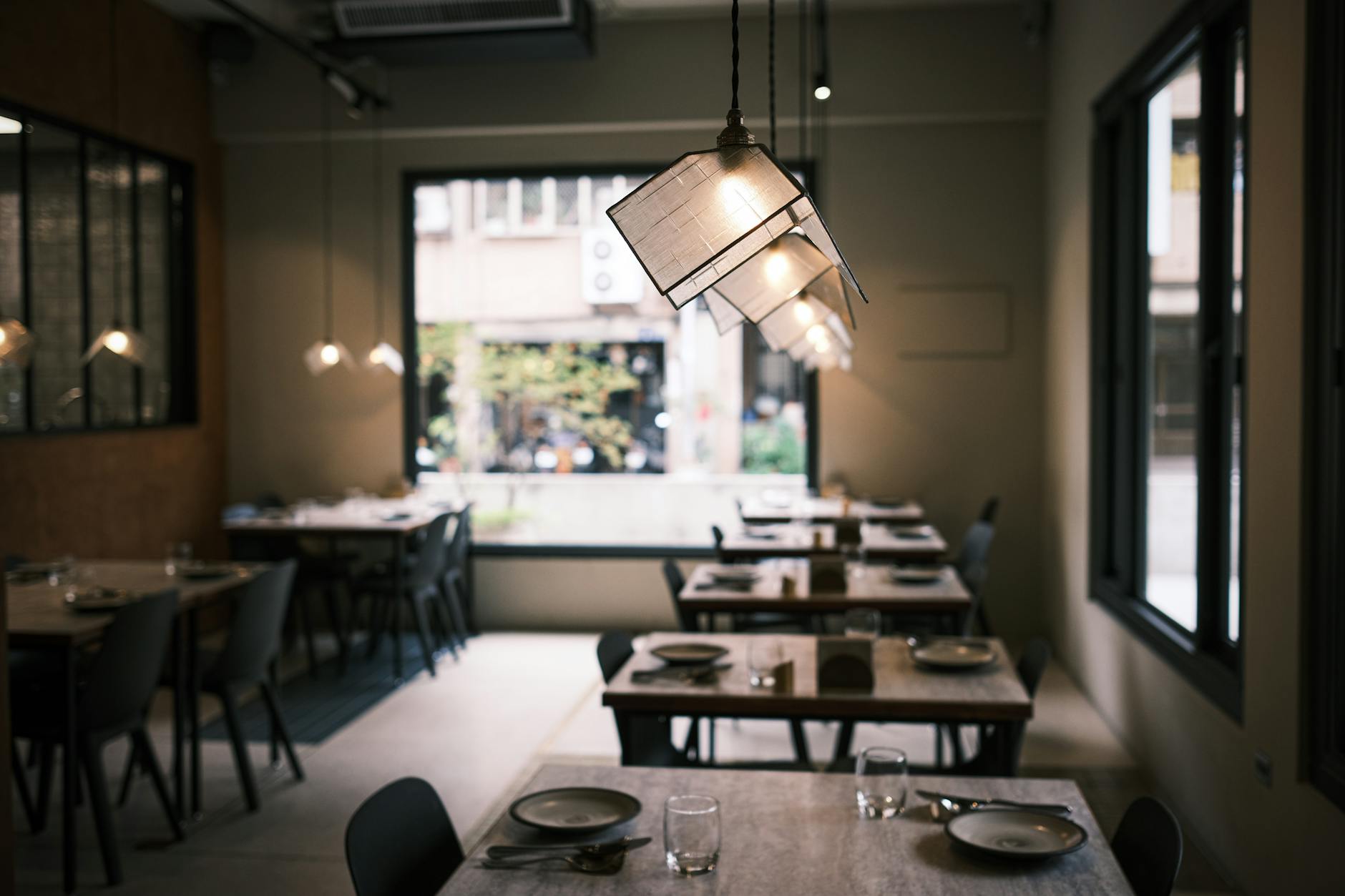
The article highlights Rumah Baba Peranakan Kitchen, a new 2025 opening by chef Melissa Tan. It details the menu, pricing, and cultural significance of Peranakan cuisine, positioning it as a fresh alternative to established restaurants in Singapore.
{"title":"Best New Peranakan Restaurant in Singapore Opening 2025","html":"
Rumah Baba Peranakan Kitchen
📍 32 Kandahar Street, Singapore 198896
🗓 Opened: June 2025
🌐 Website | 🗺 Google Maps
What Is Rumah Baba Peranakan Kitchen and Why Does It Matter?
Rumah Baba Peranakan Kitchen is a brand-new Peranakan restaurant that opened on Kandahar Street, Singapore, in June 2025, bringing one of the city-state's most labour-intensive culinary traditions into a freshly designed 60-seat heritage shophouse. The venue is the debut project of chef-owner Melissa Tan, a third-generation Nyonya cook who spent three years documenting her grandmother's handwritten recipe notebooks before translating them into a full restaurant menu. With fewer than 40 dedicated Peranakan restaurants remaining in Singapore according to the National Heritage Board's 2024 culinary census, every serious new opening in this category carries real cultural weight. If you have been relying on the old guard of Katong stalwarts and feel those menus have calcified, Rumah Baba is the reason to reroute your dinner plans this month.
Peranakan cuisine is the cooking tradition of the Straits Chinese — descendants of Chinese immigrants who settled in Penang, Malacca, and Singapore from the 15th century onward and developed a hybrid culture blending Chinese, Malay, and Indonesian influences. The food is defined by rempah spice pastes ground fresh each morning, coconut milk-enriched curries, and a signature balance of sweet, sour, and fierce heat that no other regional cuisine quite replicates. Melissa Tan is the first chef in Singapore to hold both a Le Cordon Bleu pastry qualification and a formal apprenticeship under Peranakan culinary educator Philip Chia, a combination that shows clearly in her dessert menu. The result is a kitchen that respects ancestral technique without treating the dining room like a museum.
"My grandmother never measured anything. Every dish I serve is the result of cooking it 40 times until the memory of her flavour came back to me." — Chef Melissa Tan, Rumah Baba Peranakan Kitchen
What Is on the Menu at Rumah Baba and How Does the Pricing Work?
The menu at Rumah Baba is a concise 28-dish list organised into kueh (snacks), mains, and a dedicated dessert section — a structure that deliberately avoids the sprawling multi-page approach common at tourist-facing Peranakan spots. Every rempah is ground in-house using a granite batu lesong mortar, a detail that takes three kitchen staff two hours each morning but produces a depth of flavour that pre-blended pastes cannot match. The signature Ayam Buah Keluak, made with black nuts imported directly from Sulawesi through Singapore importer Borneo Spice Trading, is already drawing early reservations from food writers and heritage enthusiasts across the region.
- Signature dish: Ayam Buah Keluak — braised chicken with black nut paste (S$32 per portion)
- Must-try starter: Kueh Pie Tee with prawn and turnip filling (S$14 for six pieces)
- Standout curry: Babi Pongteh — slow-braised pork belly in fermented soybean and palm sugar (S$28)
- Dessert highlight: Chendol Panna Cotta — chef Melissa's French-technique riff on the classic (S$12)
- Price range: S$45–S$80 per person including one drink, excluding alcohol
- Set lunch: Two-course weekday lunch at S$28 per person, available Tuesday to Friday
The drinks list is short but considered: three house-made pandan-infused cocktails, a rotating selection of natural wines chosen for their compatibility with spice-forward food, and a strong non-alcoholic programme built around fresh coconut water, butterfly pea flower lemonade, and a house-blended tamarind shrub. The weekday set lunch at S$28 is competitive price points for genuine Peranakan cooking in the central district, and it is likely to sell out within weeks of word spreading. Weekend brunch is planned for launch in August 2025, with a dedicated kueh trolley service inspired by dim sum culture.
Who Is Rumah Baba Peranakan Kitchen Actually For?
Rumah Baba is built for three distinct audiences, and it serves all three without compromise. First, there is the Singapore local who grew up eating Peranakan food at home or at long-established family restaurants and wants to see whether a new voice can honour that tradition honestly. Second, there is the regional visitor — from Kuala Lumpur, Jakarta, Bangkok, or Hong Kong — who understands that Peranakan cooking is uniquely Singaporean and wants a benchmark experience that goes beyond hotel buffets. Third, there is the food-curious international traveller who has read about buah keluak in culinary travel guides and wants to try it in a setting that explains the dish rather than just serving it.
The 60-seat dining room is divided between a ground-floor communal table area ideal for solo diners and small groups, and a first-floor private dining room that seats up to 18 and can be booked for corporate dinners, wedding celebrations, or heritage food tours. The interior, designed by Singapore studio Atelier Ong, uses original Peranakan floor tiles sourced from a demolished shophouse in Joo Chiat alongside contemporary rattan furniture, creating a space that feels rooted without being nostalgic to the point of kitsch. Chef Melissa has also confirmed a monthly cooking class programme starting July 2025, where guests can learn rempah grinding and kueh making directly from her kitchen team.
Is Rumah Baba Peranakan Kitchen Worth Visiting This Month?
Rumah Baba is worth visiting this month, and the case is straightforward: it is the only restaurant in Singapore to open in 2025 with a full Peranakan menu built entirely from primary-source family recipes, run by a chef with both classical French training and a direct lineage connection to the cuisine. That combination has not existed in a new Singapore opening before. The Ayam Buah Keluak alone — with its Sulawesi-sourced nuts and a braising liquid that takes 36 hours to develop — is worth the reservation. Early tables are already filling through the restaurant's own booking platform, and the private dining room is reportedly sold out for the first three weekends of July.
If you cannot secure a table immediately, add yourself to the waitlist via the website and watch for the August brunch launch announcement, which will bring new availability. The Kandahar Street location puts Rumah Baba within a five-minute walk of Haji Lane, making it a natural anchor for a full afternoon in the Arab Street precinct. Go for the set lunch first if you want to assess the kitchen before committing to a full dinner spend — at S$28, the risk is negligible and the upside is high.
How to Book Rumah Baba Peranakan Kitchen
Reservations at Rumah Baba are handled exclusively through the restaurant's own website, with no third-party platform fees. Tables are released 30 days in advance at 10am Singapore time on the first of each month, and the restaurant recommends booking at least two weeks ahead for weekend dinner slots. Walk-ins are accepted at the communal ground-floor table only, subject to availability. For private dining enquiries of eight or more guests, email reservations@rumahabakitchen.com.sg directly, as these slots are managed separately from the main booking calendar. Chef Melissa's team responds to dietary requirement queries within 24 hours, and the kitchen can accommodate halal-adjacent requests by substituting pork dishes with prawn or vegetable alternatives on advance notice.
Rumah Baba Peranakan Kitchen
📍 32 Kandahar Street, Singapore 198896
📞 +65 6291 4480
⏰ Tue–Sun 12pm–3pm, 6pm–10pm. Closed Mondays.
🗺 View on Google Maps
What to Watch: Key Dates Ahead for Rumah Baba
The restaurant's calendar for the rest of 2025 is already taking shape, and regional food travellers should mark these dates. The August weekend brunch launch will introduce the kueh trolley service — a format that has not been attempted at a Peranakan restaurant in Singapore before and is likely to generate significant attention. In September, chef Melissa is scheduled to participate in the Singapore Food Festival as a featured heritage chef, which will bring Rumah Baba to a much wider audience. A Penang-Singapore Peranakan collaboration dinner with a visiting chef from Georgetown is planned for October, representing the first cross-border Peranakan chef exchange dinner in Singapore in over a decade. Follow the restaurant's social channels and sign up for the newsletter on the website to receive priority notification when new booking windows open — demand is only going to increase as the year progresses.
Frequently Asked Questions
What is Peranakan cuisine and how is it different from standard Chinese or Malay food?
Peranakan cuisine is the cooking tradition of the Straits Chinese community, blending southern Chinese ingredients with Malay and Indonesian spice techniques. It is distinct from both parent cuisines in its use of fresh rempah spice pastes, coconut milk, and ingredients like buah keluak that appear in neither standard Chinese nor Malay cooking.
Is Rumah Baba Peranakan Kitchen halal-certified?
Rumah Baba is not halal-certified, as the menu includes pork dishes central to Peranakan tradition. However, the kitchen can prepare pork-free alternatives for guests who request them in advance, using prawn or vegetable substitutes for most main course dishes.
How far in advance should I book a table at Rumah Baba?
The restaurant recommends booking at least two weeks ahead for weekend dinners and one week ahead for weekday lunches. Tables are released 30 days in advance at 10am Singapore time on the first of each month via the restaurant website.
What is the price range at Rumah Baba Peranakan Kitchen?
Expect to spend between S$45 and S$80 per person for a full dinner with one drink, excluding alcohol. The weekday set lunch is available at S$28 for two courses and represents the most accessible entry point to the menu.
Who is chef Melissa Tan and what is her background?
Melissa Tan is a Singapore-born third-generation Nyonya cook and the founder of Rumah Baba. She holds a pastry qualification from Le Cordon Bleu and completed a formal apprenticeship under Peranakan culinary educator Philip Chia before opening her debut restaurant in June 2025.
","meta_title":"Best New Peranakan Restaurant Singapore 2025","meta_description":"Rumah Baba Peranakan Kitchen opened June 2025 on Kandahar Street, Singapore. Chef Melissa Tan's debut brings authentic Nyonya cooking to a 60-seat heritage shophouse.","focus_keyword":"Peranakan restaurant Singapore","keywords":["Peranakan cuisine Singapore 2025","Nyonya food Singapore","new restaurants Singapore June 2025","Kandahar Street dining","buah keluak Singapore","Straits Chinese food","heritage dining Singapore","Singapore food opening 2025"],"tldr":"Rumah Baba Peranakan Kitchen opened June 2025 at 32 Kandahar Street, Singapore. Chef Melissa Tan serves authentic Nyonya recipes from family notebooks in a 60-seat shophouse. Dinner runs S$45–S$80 per person. Book two weeks ahead via the restaurant website.","faqs":[{"q":"What is Peranakan cuisine and how is it different from standard Chinese or Malay food?","a":"Peranakan cuisine is the cooking tradition of the Straits Chinese community, blending southern Chinese ingredients with Malay and Indonesian spice techniques. It uses fresh rempah pastes, coconut milk, and unique ingredients like buah keluak not found in either parent cuisine."},{"q":"Is Rumah Baba Peranakan Kitchen halal-certified?","a":"Rumah Baba is not halal-certified due to its pork-inclusive menu, but the kitchen can prepare pork-free alternatives using prawn or vegetable substitutes for most dishes when requested in advance."},{"q":"How far in advance should I book a table at Rumah Baba?","a":"Book at least two weeks ahead for weekend dinners and one week ahead for weekday lunches. Tables are released 30 days in advance on the first of each month at 10am Singapore time via the restaurant website."},{"q":"What is the price range at Rumah Baba Peranakan Kitchen?","a":"Dinner costs S$45–S$80 per person including one drink, excluding alcohol. The weekday set lunch is S$28 for two courses, making it the most accessible way to try the menu."},{"q":"Who is chef Melissa Tan and what is her background?","a":"Melissa Tan is a third-generation Nyonya cook and founder of Rumah Baba. She holds a Le Cordon Bleu pastry qualification and trained under Peranakan culinary educator Philip Chia before opening her debut restaurant in June 2025."}],"entities":{"people":["Melissa Tan","Philip Chia"],"organizations":["Rumah Baba Peranakan Kitchen","Le Cordon Bleu","National Heritage Board","Borneo Spice Trading","Atelier Ong"],"places":["Kandahar Street Singapore","Katong","Joo Chiat","Arab Street","Sulawesi","Georgetown Penang"]}}