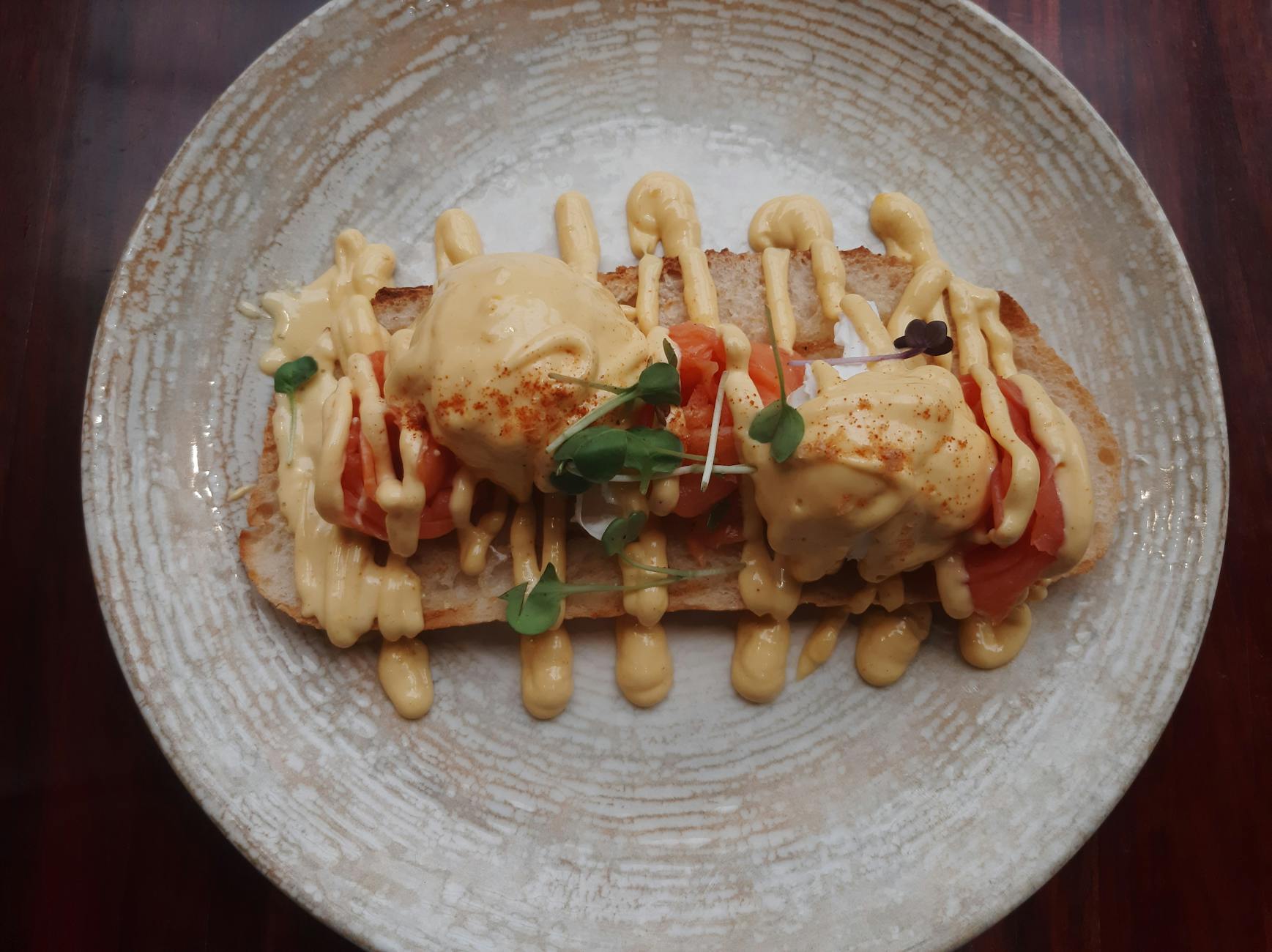
The Rescued Feast returns to Hong Kong this April for an Earth Day brunch built entirely from rescued surplus ingredients. Multi-course, gourmet, and socially conscious — tickets sell fast and the menu changes based on what's actually saved from waste.
The Rescued Feast
📍 Various pop-up locations, Hong Kong, China
🗓 Opened: April 2026 (Earth Day Edition)
🌐 Website | 🗺 Google Maps
The Rescued Feast Earth Day Brunch Is Hong Kong's Most Delicious Act of Activism
This April in Hong Kong, eating well and doing good are the same thing. The Rescued Feast is back for a special Earth Day edition, staging a gourmet brunch that turns surplus and rescued ingredients into a full-blown culinary event. The concept is straightforward but quietly radical: take food that would otherwise end up in a landfill, hand it to talented chefs, and serve the results to a paying crowd that leaves feeling both full and virtuous. It is one of the most compelling food events on the city's spring calendar, and it arrives at exactly the right moment.
Hong Kong throws away roughly 3,300 tonnes of food every single day, according to the city's Environmental Protection Department. The Rescued Feast positions itself as a direct, delicious challenge to that statistic. Rather than lecturing attendees about sustainability, it simply cooks for them — and cooks extremely well. The Earth Day timing is no accident; the event lands on or around April 22, giving it a global hook that resonates far beyond the city's borders.
What Makes This Brunch Different From a Standard Charity Lunch?
The Rescued Feast is not a soup kitchen with a press release. The chefs involved source their ingredients from food rescue partners — surplus stock from supermarkets, imperfect produce from farms, near-expiry goods from distributors — and build menus around what is actually available. That constraint forces creativity, and the results have historically surprised even seasoned food critics. Dishes change depending on what has been rescued in the days leading up to the event, which means no two editions of the feast are ever identical.
Previous iterations have featured everything from slow-braised pork belly using cuts that butchers typically discard, to vibrant vegetable tartares built from misshapen but perfectly edible produce. The cooking is precise, the plating is considered, and the atmosphere is convivial rather than preachy. Guests sit communally, which encourages conversation between strangers who share a table and, by extension, a set of values around waste reduction.
What to Expect on the Plate
While the exact menu for the Earth Day edition will depend on what the rescue partners bring in, the format promises a multi-course brunch with both savoury and sweet components. Past feasts have leaned into bold, comfort-forward cooking — think rich broths, generous grain bowls, and inventive desserts built from fruit that would otherwise be composted. Drinks have included natural wines and house-made sodas crafted from citrus peels and herb stems that would typically be binned.
- Format: Multi-course communal brunch
- Ingredients: 100% rescued and surplus food sourced from Hong Kong partners
- Atmosphere: Communal seating, relaxed and social
- Timing: Earth Day weekend, April 2026
- Price range: Ticket-based; previous editions priced around HK$350–HK$500 per person
Why Hong Kong Needs Events Like This Right Now
Hong Kong's food waste problem has worsened steadily over the past decade, and despite government pledges to expand composting infrastructure, landfills continue to absorb enormous volumes of edible material daily. Community-led initiatives like The Rescued Feast fill a gap that policy alone cannot close. By making sustainability aspirational rather than obligatory, the event attracts a demographic — young professionals, food-curious expats, sustainability advocates — that might not respond to a government campaign but will absolutely buy a ticket to a well-executed brunch.
There is also a wider regional conversation happening here. Cities across Asia, from Singapore to Seoul to Taipei, are grappling with similar food waste crises, and pop-up models like this one are beginning to gain traction as scalable, replicable solutions. Hong Kong's version has the advantage of a strong culinary culture and a dining public that is genuinely willing to pay for quality, which makes the economics of rescued-ingredient cooking more viable here than in many other markets.
The Verdict
The Rescued Feast Earth Day Brunch is one of the few events in Hong Kong where the ethical credentials are as strong as the food on the plate. It does not ask you to sacrifice enjoyment in the name of conscience — it insists that the two are inseparable. If you care about where your food comes from, or simply want a brunch that gives you something to talk about beyond the meal itself, this is the booking to make this April. Secure a ticket early; previous editions have sold out well in advance, and the Earth Day hook will only amplify demand this time around.
Frequently Asked Questions
What is The Rescued Feast and how does it work?
The Rescued Feast is a Hong Kong pop-up dining event that uses surplus and rescued food — ingredients that would otherwise go to waste — to create a gourmet multi-course meal. Chefs build menus around whatever has been rescued from supermarkets, farms, and distributors in the days before the event, meaning the menu is never fixed in advance.
How much do tickets cost for the Earth Day brunch?
Ticket prices have historically ranged from approximately HK$350 to HK$500 per person for previous editions. The Earth Day 2026 pricing had not been officially confirmed at time of publication, so check the official channels for the most current information before booking.
Where does The Rescued Feast take place in Hong Kong?
The event operates as a pop-up and changes venue between editions. Past feasts have been held across various neighbourhoods in Hong Kong. The specific location for the Earth Day edition is announced closer to the event date via the organiser's social media and mailing list.
Is the food actually good, or is quality compromised by using rescued ingredients?
Quality is central to the concept. The chefs involved are experienced professionals who treat the rescued-ingredient constraint as a creative challenge rather than a limitation. Feedback from previous editions has been consistently positive, with guests frequently noting that the food exceeded their expectations given the circumstances of its sourcing.
How does attending The Rescued Feast help reduce food waste in Hong Kong?
Every kilogram of food used in the feast is diverted from landfill. The event also raises awareness among attendees about the scale of Hong Kong's food waste problem and connects diners directly with the organisations doing rescue and redistribution work in the city, amplifying the impact beyond a single meal.