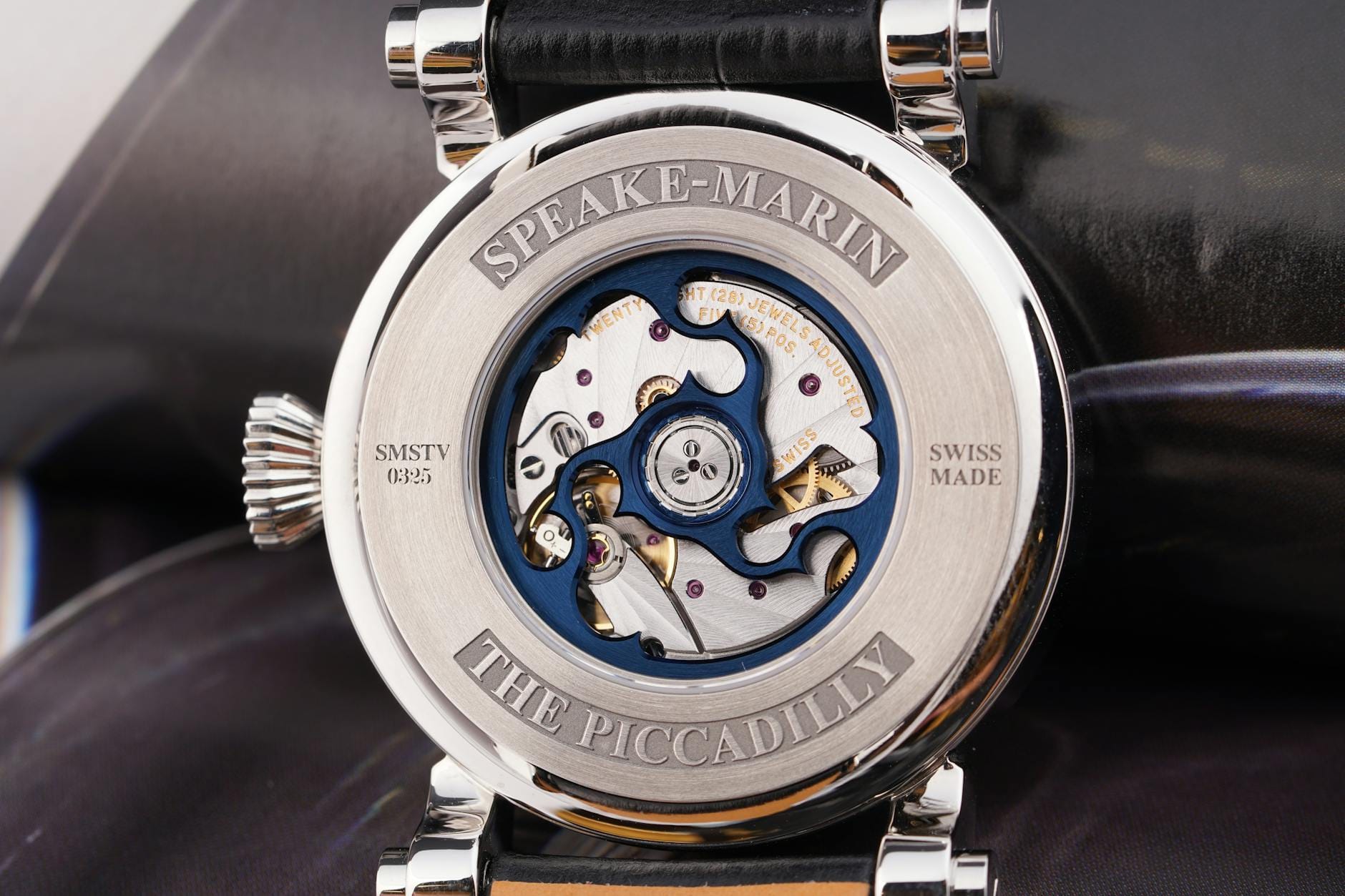
Bangkok's Emporium Shopping Complex launched a Pre-Loved Market in May 2025 running six weekends through October. The format bans resellers entirely, requiring every seller to be the item's original owner — making it one of the city's most authentic secondhand shopping experiences.
Emporium Pre-Loved Market
📍 Emporium Shopping Complex, 622 Sukhumvit Road, Khlong Toei, Bangkok 10110, Thailand
🗓 Opened: May 2025
🌐 Website | 🗺 Google Maps
Bangkok's Emporium Pre-Loved Market Puts Owners Front and Centre
Bangkok opened its most personal secondhand market yet in May 2025, when Emporium Shopping Complex launched its Pre-Loved Market series along Sukhumvit Road. What separates this event from the city's crowded weekend flea circuit is a single editorial rule: no resellers allowed. Every item on every table must be brought and sold by its original owner, turning each transaction into a conversation rather than a commercial exchange. For a city that has long embraced vintage culture through markets like Chatuchak and J.J. Mall, this format feels like a meaningful evolution — slower, more curated, and considerably more personal.
How the No-Reseller Rule Actually Works
Emporium's organisers have structured the Pre-Loved Market around a strict vetting process that screens out professional traders and bulk-lot vendors before the doors open. Sellers must register in advance, declare the provenance of their items, and commit to attending in person on the day they are assigned. This means shoppers are speaking directly with the person who wore the vintage Issey Miyake pleats, carried the Celine tote, or collected the stack of Japanese vinyl records now spread across a folding table. That directness changes the atmosphere entirely — pricing tends to be more honest, stories are freely offered, and the whole floor takes on the energy of a well-dressed neighbourhood swap meet rather than a commercial operation.
The market runs across six weekends between May and October 2025, giving the format room to build a loyal following without overstaying its welcome. Each weekend is expected to draw a rotating cast of sellers, so repeat visitors will find genuinely fresh stock rather than the same unsold pieces cycling through week after week. Emporium has not published a fixed seller cap, but early weekends have reportedly attracted between 80 and 120 individual vendors per session — a scale large enough to browse seriously but small enough to cover in a single afternoon.
What to Expect on the Floor
The category mix skews toward fashion and accessories, with a strong showing of Japanese and European designer pieces that reflect Bangkok's well-travelled, brand-literate middle class. Expect to find luxury handbags, archive streetwear, silk scarves, vintage watches, and the occasional piece of mid-century furniture carried in by someone clearing a family home. Prices vary enormously depending on the seller's attachment and urgency, but the absence of reseller markup means values tend to be fairer than comparable items found at commercial vintage boutiques along Ekkamai or Ari. Serious collectors have already flagged the market as a source worth monitoring, particularly for Japanese archive labels that rarely surface through conventional retail channels in Thailand.
- Categories: Designer fashion, accessories, vintage watches, vinyl records, homewares
- Format: Six weekends, May–October 2025
- Seller rule: Original owners only — no professional resellers
- Location: Emporium Shopping Complex, Sukhumvit Road, Bangkok
- Entry: Free for shoppers
Why This Format Matters for Bangkok's Secondhand Scene
Bangkok has no shortage of vintage markets, but most operate on a reseller model that inflates prices and strips out the provenance that makes secondhand shopping genuinely interesting. Emporium's decision to enforce an owner-only policy is a deliberate counter-move, one that aligns the market more closely with the community-driven swap events that have gained traction in Tokyo, Seoul, and Singapore over the past three years. It also positions Emporium — a mid-to-luxury mall anchored by international brands — as a destination that understands its customer base wants experience and authenticity alongside retail convenience. Running the market inside and around an established shopping complex rather than an outdoor lot also means the event is air-conditioned, accessible by BTS Skytrain at Phrom Phong station, and insulated from Bangkok's unpredictable afternoon rain.
For international visitors passing through Bangkok between May and October, the market offers a genuinely local experience that sits outside the usual tourist circuit. The combination of high-quality pre-owned goods, direct seller interaction, and a prestigious Sukhumvit address makes it one of the more compelling new additions to the city's cultural calendar this year. Whether you are hunting a specific piece or simply browsing, the format rewards patience and conversation in equal measure.
Frequently Asked Questions
When does the Emporium Pre-Loved Market run in 2025?
The market runs across six weekends between May and October 2025 at Emporium Shopping Complex on Sukhumvit Road in Bangkok. Specific weekend dates are released by Emporium through their official channels and social media in advance of each session.
Can professional vintage sellers or resellers participate?
No. The market enforces a strict owner-only policy, meaning every seller must be the original owner of the items they bring. Professional resellers and bulk traders are screened out during the advance registration process.
How do I get to Emporium Shopping Complex?
Emporium is directly connected to Phrom Phong BTS Skytrain station on the Sukhumvit Line, making it one of the most accessible shopping destinations in central Bangkok. Taxi and ride-hailing services are also readily available along Sukhumvit Road.
Is there an entry fee for shoppers?
Entry to the Pre-Loved Market is free for shoppers. Only sellers are required to register in advance and are subject to the owner-only vetting process before being assigned a selling slot.
What kinds of items are typically sold at the market?
The market skews toward fashion and accessories, with notable offerings in designer handbags, archive streetwear, vintage watches, silk scarves, vinyl records, and occasional homewares. The inventory rotates each weekend as new sellers join the roster.